
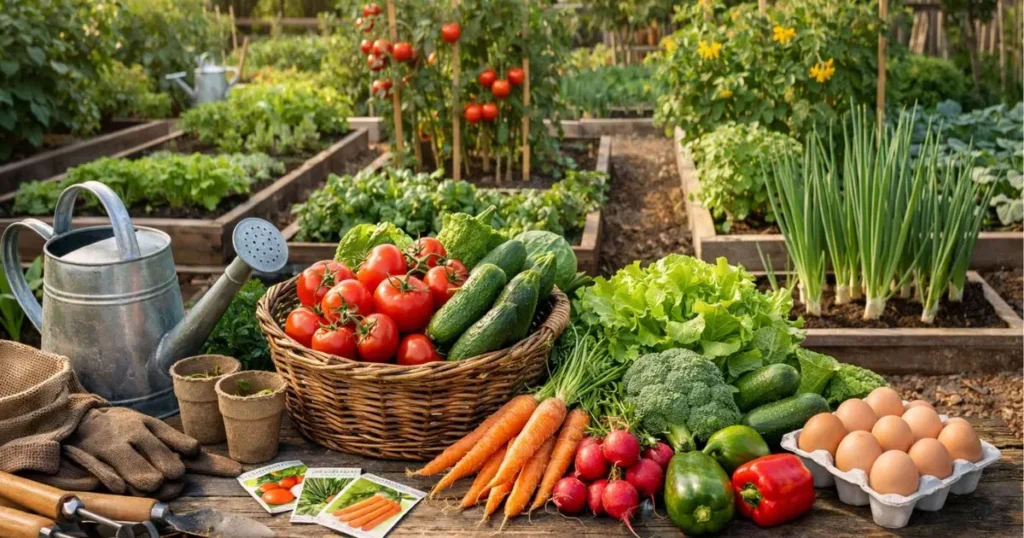
Starting a garden is a fantastic way to save money on fresh produce while enjoying the satisfaction of growing your own food. Whether you’re a beginner or have some experience with gardening, the benefits of having a garden at home are numerous. Not only does it reduce your grocery bill, but it also provides access to healthier, organic options right at your doorstep. In this comprehensive guide, we’ll show you how to start a garden step by step. From planning the layout of your garden to selecting the best plants for your specific climate and space, we’ll cover everything you need to know.
By choosing the right gardening tools, planting seasonal crops, and applying essential gardening techniques, you can grow a variety of fresh fruits, vegetables, and herbs that will reduce your dependence on store-bought produce and help you enjoy nutritious meals all year round. This approach will ensure you have a consistent supply of fresh produce and make gardening an enjoyable and rewarding experience.
Why Starting a Garden Is a Smart Investment
Gardening isn’t just about growing food; it’s about making a smart financial decision. The cost of fresh produce has been rising, and gardening offers a way to reduce grocery bills while getting access to high-quality, fresh ingredients.
Benefits of Home Gardening:
- Significant savings: Growing your own vegetables can cut grocery costs by as much as 50%. For example, growing tomatoes, lettuce, or herbs can save you anywhere from $2 to $5 per week.
- Fresh and organic produce: Many store-bought vegetables contain pesticides. When you grow your own, you have complete control over what goes into your food.
- Sustainability: Gardening reduces your carbon footprint by eliminating packaging waste and the need for transportation.
What You Need to Start Your Garden
Starting a garden doesn’t require a huge investment. You can begin with just a few basic tools and supplies, most of which are available at affordable prices. The key is to start small and gradually expand as you gain experience.
Essential Tools and Supplies:
- Seeds or seedlings: Choose plants that are easy to grow, like tomatoes, beans, and herbs.
- Soil: Invest in good-quality soil to give your plants the best start.
- Containers or raised beds: If you have limited space, containers or raised beds are great options for growing vegetables.
- Gardening tools: Essential tools include a hand trowel, rake, watering can, and pruners.
Tips for Saving Money:
- Buy seeds in bulk: Purchase seeds in larger quantities to save on costs.
- Use compost: Start composting kitchen scraps and yard waste to create nutrient-rich soil for free.
- Repurpose old containers: Use plastic bottles, old buckets, or wooden crates as garden containers.
Choosing the Best Plants for Your Garden
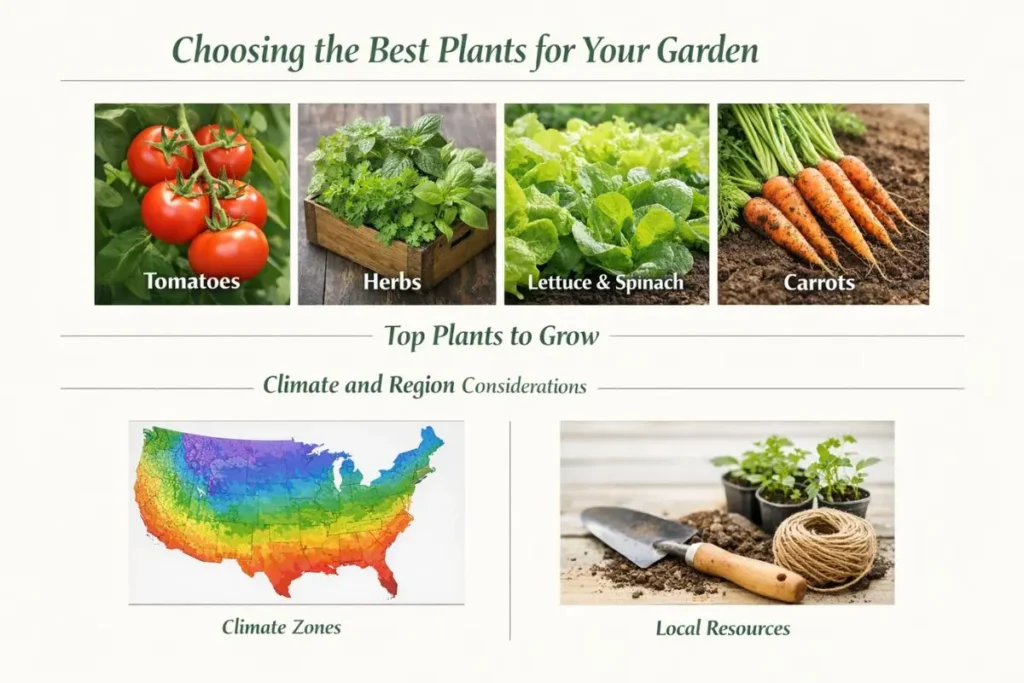
When selecting plants for your garden, choose varieties that will give you the best return on investment. Consider the space available, your climate zone, and the level of care each plant requires.
Top Plants to Grow:
- Tomatoes: These are one of the most rewarding plants to grow, with high yields and versatile uses.
- Herbs: Herbs like basil, mint, and parsley are easy to grow and can save you money on seasonings.
- Lettuce and Spinach: These leafy greens grow quickly and can be harvested multiple times in one season.
- Carrots: A simple crop that doesn’t require much space and provides a steady harvest.
Climate and Region Considerations:
- Climate Zones: The U.S. has a range of climate zones, so make sure you choose plants suited to your region. You can use the USDA Plant Hardiness Zone Map to find out what grows best in your area.
- Local Resources: Check with local gardening centers or online forums for advice on what grows well in your area.
Gardening Techniques for Maximizing Yields
To make the most of your garden, use techniques that maximize space and yield without increasing costs. There are several methods that will allow you to grow more while spending less.
Top Gardening Techniques:
- Companion planting: Some plants grow better together. For instance, plant marigolds with tomatoes to repel pests naturally.
- Vertical gardening: Use vertical space by growing crops like cucumbers or peas on trellises. This method helps you save space and grow more in smaller areas.
- Square foot gardening: This technique involves dividing your garden into small squares and planting in a grid. It’s perfect for small spaces and ensures that you use every inch of available soil.
Planning Your Garden for Maximum Harvest
A well-planned garden will save you time and effort while increasing your harvest. By designing your garden layout and understanding the needs of your plants, you can optimize growth and avoid problems later on.
Tips for Efficient
- Crop rotation: Rotate crops each season to avoid depleting soil nutrients. This also helps prevent pest infestations.
- Garden layout: Place taller plants in the back or along the edges to avoid shading shorter plants.
- Seasonal planning: Keep track of planting and harvesting schedules using a garden calendar, so you always know when to plant and harvest your crops.
Seeds and Supplies
Seeds and supplies are some of the biggest costs when starting a garden. Fortunately, there are several ways to reduce these costs without compromising the quality of your garden.
Tips for Supplies:
- Buy in bulk: Purchasing seeds in bulk or through gardening co-ops can reduce the cost per packet.
- Join seed exchanges: Many communities have seed swaps, allowing you to trade seeds for free.
- Use homemade fertilizers: Instead of buying expensive fertilizers, make your own using compost or organic kitchen scraps like coffee grounds, banana peels, and eggshells.
Maintaining Your Garden
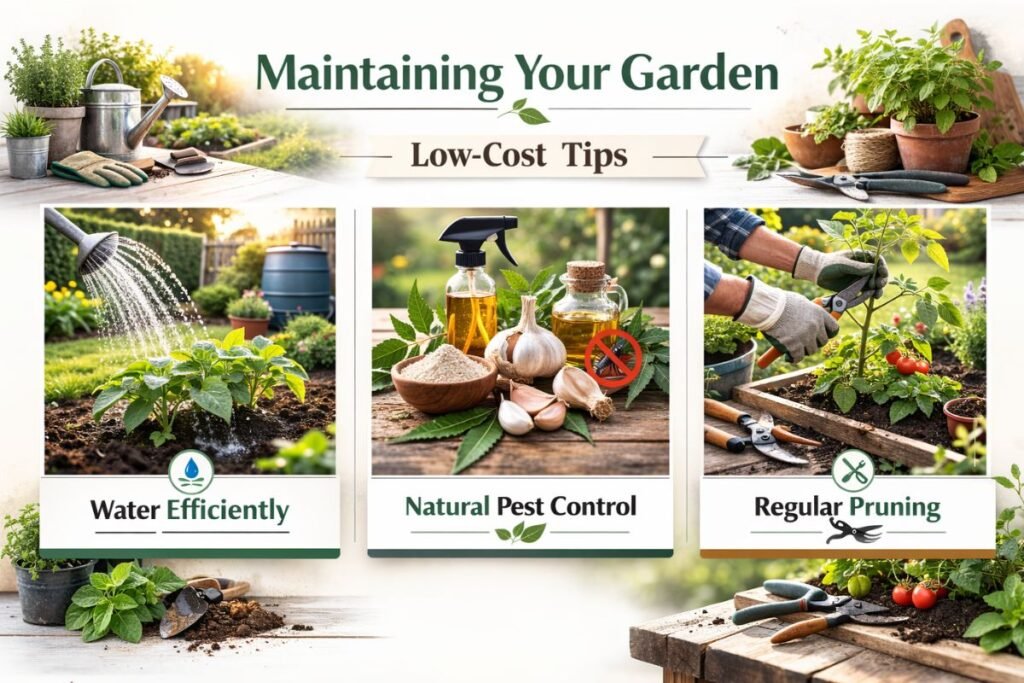
Proper maintenance is essential to ensure your plants stay healthy and productive. Here are ways to maintain your garden on a budget:
Low-Cost Tips:
- Water efficiently: Water your plants early in the morning or late in the evening to reduce water evaporation. Use a rain barrel to collect water for free.
- Natural pest control: Use organic remedies like neem oil, garlic spray, or diatomaceous earth to control pests without chemicals.
- Regular pruning: Trim your plants regularly to encourage healthy growth and improve yields.
Harvesting Your Produce and Reducing Waste
Once your plants start producing, make sure you harvest at the right time to avoid waste and get the most out of your garden.
Harvesting Tips:
- Pick when ripe: Wait until vegetables are fully ripe for the best flavor and nutrition.
- Preserve your harvest: Preserve surplus produce by freezing, canning, or drying it. This allows you to enjoy your garden’s bounty throughout the year.
- Avoid food waste: Use leftovers in soups, salads, or smoothies to make the most of your harvest.
Save Big: Grow Your Own Groceries
One of the best things about growing your own food is that it reduces the need for store-bought vegetables. Here are some practical ways to incorporate your garden’s produce into your meals:
Creative Ways to Use Produce:
- Fresh salads: Use lettuce, spinach, and herbs for delicious, healthy salads.
- Homemade sauces: Make fresh tomato sauce from your garden’s tomatoes, basil, and garlic.
- Herb garnishes: Add freshly picked herbs to your meals for extra flavor without spending extra money.
Expanding Your Garden
As you gain experience, consider expanding your garden to include more crops. The following tips can help you grow more food while keeping costs low:
Expansion Tips:
- Start small: If space is limited, start with a few containers or raised beds and gradually expand.
- Reuse containers: Old plastic bottles, buckets, and crates can be repurposed as planters.
- Community gardening: Join a community garden where you can share costs and resources with other gardeners.