
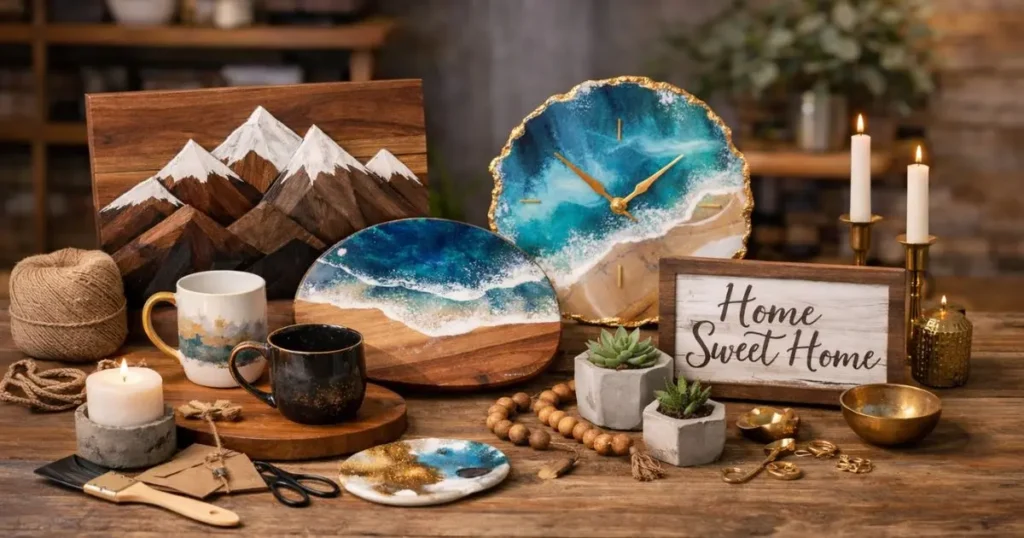
Building and selling custom home decor items is an exciting and rewarding venture that allows you to combine creativity with business acumen. Whether you’re making personalized wall art, customized furniture, unique decorative accessories, or bespoke textiles, the possibilities are endless. The key to success in this industry is understanding your target market and designing products that meet their specific needs, preferences, and tastes. In this comprehensive guide, we’ll explore how to not only create high-quality, custom-made decor pieces but also how to build a strong brand and market your products effectively.
From sourcing materials, developing your design skills, setting up your production process, to creating an online store or physical shop, we’ll walk you through each step of building and selling custom home decor. With the right strategies and tools, you can turn your passion for interior design into a profitable business that offers unique, handcrafted products that stand out in the marketplace.
Why Custom Home Decor is a Lucrative Market
The demand for custom home decor has surged in recent years. Homeowners and renters alike are moving away from mass-produced items and opting for unique, personalized pieces. According to the latest trends, more people want their living spaces to reflect their personalities, which is why the custom home decor market is booming.
Why is Customization Important?
- Personalized appeal: Custom decor offers a chance to stand out. People want their homes to be a reflection of their personality, making personalized items highly desirable.
- Higher perceived value: Customized items are often priced higher, as they are seen as more exclusive and unique.
- Growing demand: The home decor industry continues to thrive, with more consumers looking for bespoke, handcrafted items to set their spaces apart.
Understanding Your Target Market
Before diving into the business, it’s crucial to understand who your target market is. Knowing your customers allows you to create products that truly resonate with them.
Who is Your Target Audience?
- Homeowners: People who want to personalize their space will be looking for unique pieces that fit their style.
- Interior designers: Many designers need custom decor for their clients, especially for specific projects or unique interior themes.
- Young professionals: Millennials and Gen Z are particularly drawn to unique, functional, and affordable decor that fits their modern lifestyles.
Trends to Watch
- Sustainability: Eco-conscious customers are opting for sustainable, upcycled, and environmentally-friendly materials in their home decor.
- Minimalism and clean designs: Sleek, simple designs are in demand, especially for small spaces.
- Bohemian and rustic styles: These styles emphasize creativity and individuality, making them ideal for custom home decor.
Essential Skills and Tools for Crafting
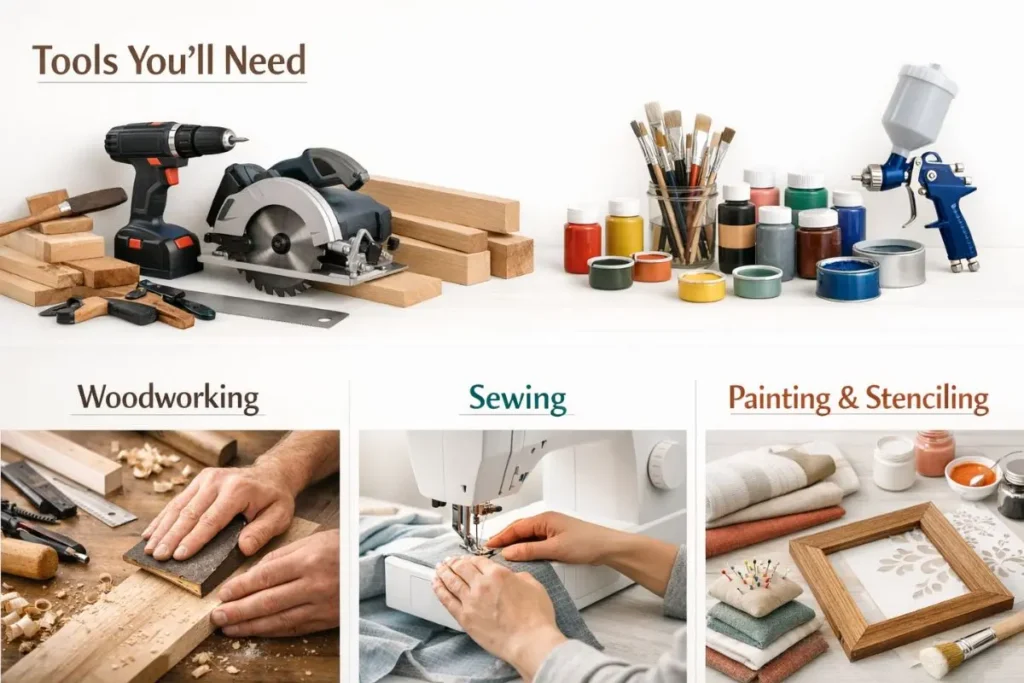
Creating custom home decor requires a combination of craftsmanship and design skills. Whether you’re working with wood, fabric, or other materials, certain tools and skills are essential for producing high-quality, personalized products.
Tools You’ll Need
- Basic woodworking tools: Saws, drills, sanders, and clamps for crafting furniture and wooden decor.
- Painting tools: Brushes, paints, spray guns, and stencils for creating unique designs on surfaces.
- Fabric tools: Sewing machine, thread, needles, and fabric to create custom pillows, curtains, and other fabric-based products.
Crafting Skills
- Woodworking: Master techniques for shaping, sanding, and assembling wood to make furniture or decorative items.
- Sewing: Learn how to create fabric-based products like cushion covers, table runners, or even custom curtains.
- Painting and stenciling: Develop your skills in painting, whether for furniture or smaller items like picture frames or mirrors.
Sourcing Materials
The materials you choose play a huge role in the final look and quality of your custom home decor items. Sourcing high-quality materials ensures that your products not only look good but are durable as well.
Where
- Local craft stores: These are great for small supplies like paint, fabric, and accessories for smaller home decor projects.
- Online suppliers: Websites like Etsy and Alibaba provide a vast array of materials, including hard-to-find items and bulk options.
- Eco-friendly sources: For customers who prioritize sustainability, using eco-friendly or upcycled materials can set you apart from competitors.
Cost-Effective Tips
- Buy in bulk: When sourcing materials, purchasing in bulk can save you money in the long run.
- Repurpose: Upcycle old furniture, wood, or fabric to create unique items, reducing costs and giving products a one-of-a-kind feel.
- Shop local: Look for local suppliers to cut down on shipping costs and potentially discover unique materials.
Design and Personalization
The design process is where you bring your creative ideas to life and offer something special to your customers. Personalization is what makes your home decor items stand out.
Offering Customization
- Personalized engraving: Add names, quotes, or monograms to your products to make them special.
- Custom colors: Offer a range of colors or patterns that customers can choose from to match their home decor.
- Unique design options: Work with customers to design a product that perfectly suits their style or home theme.
Tools
- Digital tools: Use software like Photoshop to create digital renderings of your designs.
- 3D modeling software: Tools like TinkerCAD or AutoCAD can help you create prototypes of larger or more intricate items before you begin crafting.
Setting Up Your Workspace for Creating
Whether you’re working from home or renting a studio, setting up your workspace is essential for efficiency and creativity.
Organizing
- Storage solutions: Invest in shelves and cabinets to keep your materials organized and easily accessible.
- Dedicated workspace: Make sure your space is comfortable and dedicated to crafting; avoid distractions.
- Creative environment: Surround yourself with inspiration to fuel your creativity, such as mood boards or Pinterest boards with design ideas.
Safety Considerations
- Protective gear: Always wear safety glasses, gloves, and a dust mask when using tools.
- Proper ventilation: Ensure that your workspace is well-ventilated, especially if you’re using paints or other chemicals.
Pricing Your Items
Setting the right price for your custom home decor is key to your business’s success. Your price should reflect the cost of materials, your time, and the uniqueness of the item.
Factors to Consider When Pricing
- Material costs: Ensure your pricing covers all costs of the raw materials used.
- Labor costs: Don’t forget to factor in the time spent crafting each item.
- Market rates: Research competitors’ prices to ensure your items are competitively priced while still making a profit.
Strategies
- Tiered pricing: Offer different pricing tiers based on complexity. For example, a simple custom frame might cost less than a full-piece custom bookshelf.
- Offer discounts: For bulk purchases or repeat customers, offer discounts to encourage higher sales volume.
Marketing and Selling
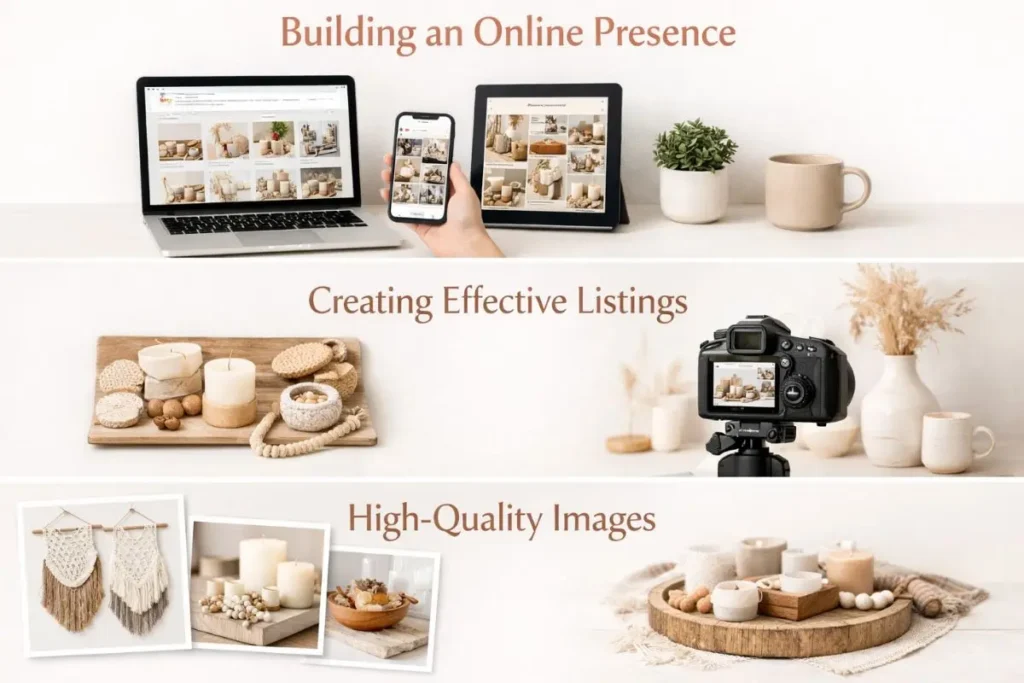
Once your products are ready, it’s time to market them to the world. Effective marketing is essential to grow your business and attract the right customers.
Building an Online Presence
- Etsy: Set up an online shop to reach customers actively seeking custom or handmade decor.
- Social media platforms: Instagram and Pinterest are great platforms to showcase your products and build a following.
- Website: Having your own website gives you full control over your brand and the ability to reach a larger audience.
Creating Effective Listings
- Detailed product descriptions: Write clear and engaging descriptions that explain the uniqueness of your products.
- High-quality images: Show your products in the best light possible by using high-resolution photos taken from multiple angles.
Creating an Engaging Brand for Your Business
To succeed, you need to create a memorable brand that resonates with your audience. This is essential in a competitive market.
Building Your Brand
- Choose a brand name: Your name should be catchy, unique, and reflective of your business values.
- Design your logo: Your logo should be simple, clean, and visually appealing, representing the aesthetic of your products.
Share Your Story
- Let your customers know the story behind your business, your design process, and why your products stand out.
- People connect with stories—especially those that involve creativity, passion, and craftsmanship.
Shipping and Customer Service
Providing excellent customer service and ensuring smooth shipping processes can elevate your business and lead to repeat customers.
Shipping Tips
- Protective packaging: Use sturdy packaging materials to ensure your products arrive safely.
- Multiple shipping options: Offer different shipping methods to cater to your customers’ needs.
Customer Service Tips
- Respond promptly to inquiries.
- Handle customer complaints professionally and resolve issues to build trust.
Scaling Your Business
As your business grows, consider scaling it to meet demand and expand your offerings.
Expanding Your Product Line
- Introduce new items, such as custom furniture or wall art, to attract a broader customer base.
- Offer seasonal or limited-edition designs for exclusive offerings.
Outsourcing Help
- Hire extra hands to help with crafting or shipping when you experience increased demand.
- Collaborate with influencers or industry professionals for better visibility.