

Building a family budget that works for your needs is one of the most important steps toward securing your financial future. Without a clear and effective budget, it’s easy to lose track of where your money goes, which can lead to unnecessary debt and missed financial opportunities. By taking the time to build a family budget that works for your needs, you gain control over your finances and ensure that you’re saving for important goals, such as buying a home, funding your children’s education, or preparing for retirement.
A tailored budget allows you to track your income and expenses, cut back on unnecessary spending, and put money aside for future needs. In this guide, we’ll show you exactly how to create a family budget that is both realistic and effective for your family’s unique financial situation.
Why a Family Budget is Essential for Financial Health
A family budget isn’t just a tracking tool; it’s a strategic approach to managing your finances. Here’s why it’s critical:
- Track Spending: A budget shows exactly where your money is going, helping you identify and eliminate wasteful spending.
- Reduce Debt: By prioritizing debt repayment, a budget ensures you’re paying down high-interest debts faster.
- Save for Goals: Whether saving for retirement, college funds, or a vacation, a family budget keeps you focused on your financial goals.
- Peace of Mind: Having control over your finances reduces stress and helps you avoid the anxiety of living paycheck to paycheck.
Steps to That Works for Your Needs

Follow these key steps to create a family budget that works for your needs and financial goals.
Assess Your Current Financial Situation
Understanding your current financial state is the first step in budgeting.
- Income: List all family income sources, including salaries, freelance work, side gigs, and investment returns.
- Fixed Expenses: These include regular monthly payments such as rent/mortgage, car payments, and utilities.
- Variable Expenses: These fluctuate month-to-month and include groceries, fuel, entertainment, and medical bills.
- Net Worth: Calculate your total assets (savings, property, investments) versus your liabilities (debts, loans).
Tip: Knowing your financial health will allow you to set achievable budgeting goals.
Set Realistic Financial Goals
Your budget should reflect both short-term and long-term goals. Here’s how to break them down:
- Short-Term Goals: Emergency fund, vacation savings, paying off credit card debt.
- Long-Term Goals: Saving for a down payment on a house, college tuition, or retirement.
Example: Setting a goal of saving $500 each month for a home down payment over the next two years.
Categorize Your Expenses
For better tracking, break down your expenses into categories. This will help identify areas where you can cut costs:
- Housing: Mortgage/rent, utilities, property taxes.
- Transportation: Car payments, insurance, fuel, public transport.
- Groceries: Monthly food costs, household supplies.
- Debt Payments: Credit cards, student loans, personal loans.
- Savings: Emergency fund, retirement accounts, college savings.
Tip: Be realistic with your categories. For instance, under “Groceries,” consider adding a buffer for unexpected food purchases.
Track Your Spending
Tracking your expenses ensures you stay within your budget.
- Manual Tracking: Use a simple spreadsheet to log income and expenses.
- Budgeting Apps: Tools like Mint, YNAB (You Need A Budget), and EveryDollar automate tracking, making budgeting easy.
- Envelope System: Use cash for specific categories like groceries or entertainment, placing it in separate envelopes.
Tip: Regular tracking (weekly or monthly) ensures you stay on top of spending and can adjust if necessary.
Adjusting To Fit Your Needs
A family budget should be flexible enough to handle changes in income or unexpected expenses.
Balancing Needs vs. Wants
Recognizing the difference between needs and wants is key:
- Needs: Essential items like housing, healthcare, and food.
- Wants: Non-essential items like dining out, vacations, or luxury purchases.
Example: During tough financial times, prioritize needs like rent and utilities, while reducing discretionary spending on wants.
Adjusting Based on Life Changes
Life events, such as a job change, new baby, or health crisis, may require changes to your budget. Here’s how to manage:
- New Baby: Add child-related expenses (diapers, baby formula, child care).
- Job Loss: Cut back on non-essentials and focus on building an emergency fund.
- Debt Repayment: Allocate more income to debt payments during high-income months to clear debt faster.
Tip: If your family’s financial situation changes (new job, promotion, unexpected expense), revisit and adjust your budget accordingly.
Common Mistakes
Even the best family budget can fail if common mistakes aren’t avoided. Here are a few to watch out for:
Underestimating Expenses
Small, regular purchases can add up quickly. It’s important to account for:
- Subscriptions (streaming services, gym memberships)
- Impulse buys (takeout, snacks, small online purchases)
Tip: Review your past spending to identify hidden costs that may be eating into your budget.
Failing to Plan for Emergencies
Without an emergency fund, unexpected expenses like medical bills, car repairs, or job loss can derail your budget.
- How Much to Save: Aim to set aside 3-6 months’ worth of living expenses in an easily accessible account.
- Building the Fund: Start small, but consistently save a portion of your monthly income until you reach your goal.
Methods
There are various methods you can choose from to manage your family budget. Each has its pros and cons, depending on your financial goals and preferences.
Zero-Based Budgeting
With zero-based budgeting, you assign every dollar of your income to specific expenses or savings. This method ensures that by the end of the month, your balance is zero—every dollar is accounted for.
Example: If your monthly income is $3,000, you’ll allocate it across all expenses (housing, utilities, debt repayment) and savings categories until every dollar is assigned a role.
The 50/30/20 Rule
This rule is a simplified approach to budgeting:
- 50%: Needs (e.g., housing, utilities, transportation)
- 30%: Wants (e.g., dining out, entertainment)
- 20%: Savings and debt repayment
This method is great for families who need a straightforward system to follow.
Envelope System
The envelope system works best for families who prefer cash management. You allocate cash for specific categories (e.g., groceries, entertainment) and place the money in envelopes. Once the cash is gone, you stop spending.
Tip: This method is great for those who struggle with overspending in certain categories.
Tools to Help You Build and Stick
Here are some tools to help you create and stick to your budget:
Budgeting Apps and Software
Apps like Mint, YNAB, and EveryDollar help track your spending, set goals, and automatically categorize your expenses. These tools make managing your family budget easier and more efficient.
Spreadsheets for DIY Budgeting
If you prefer a more hands-on approach, creating a budget in Excel or Google Sheets gives you full control. You can customize your budget, add your own categories, and track expenses manually.
Tip: Downloadable budgeting templates are available online if you need a starting point.
How to Stay Committed
Sticking to your family budget is key to financial success. Here are some ways to stay on track:
Review and Adjust Regularly
Make sure to review your budget monthly. Look for areas where you’ve overspent or where you can save more.
Tip: Set a calendar reminder to check your budget every month and adjust for any life changes.
Involve the Whole Family
Involve your partner and even older children in the budgeting process. By working together, everyone understands the family’s financial goals and can help stay on track.
Example: Teach your children the basics of budgeting by giving them a small allowance and encouraging them to allocate it to savings, spending, and giving.
Emergency Fund
An emergency fund is essential for handling unexpected expenses. Here’s how to build and maintain one:
- Goal: Save 3-6 months of living expenses in a separate savings account.
- Building the Fund: Start with small, regular contributions. Automate savings to ensure consistency.
Tip: Having an emergency fund reduces stress and prevents you from relying on credit cards or loans in emergencies.
How to Handle Irregular Income
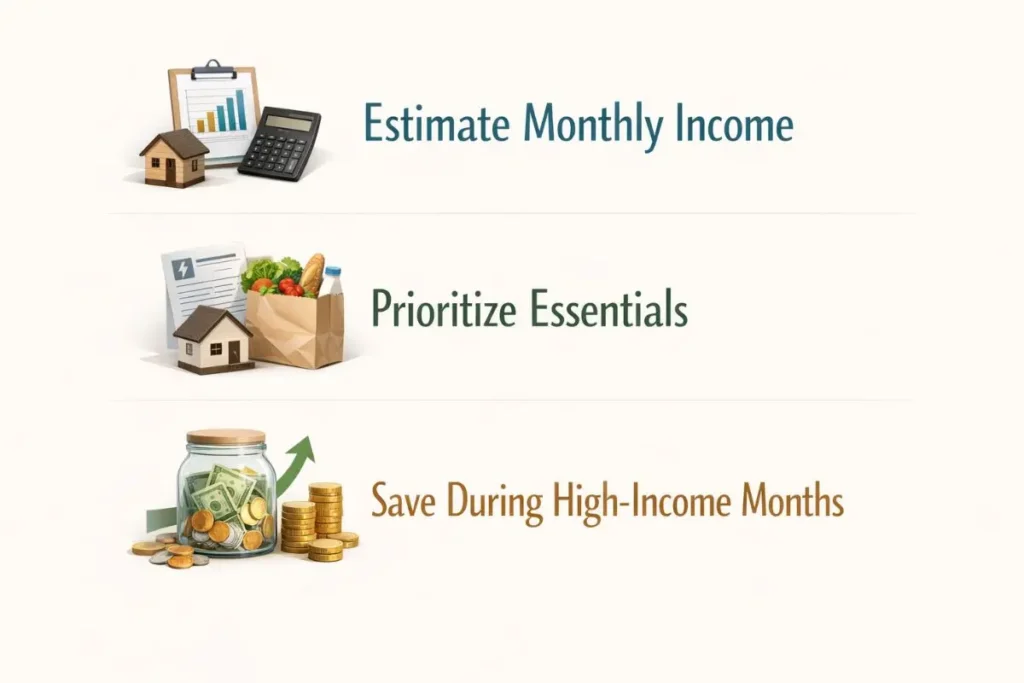
For families with fluctuating income (e.g., freelancers or seasonal workers), here’s how to manage:
- Estimate Monthly Income: Average your income over the past 6-12 months to get a reliable monthly figure.
- Prioritize Essentials: Focus on fixed expenses first and allocate extra income towards savings when possible.
- Save During High-Income Months: Use surplus months to build savings for leaner months.
Adjusting for Special Occasions or Holidays
Holidays, birthdays, and special occasions often lead to unplanned expenses. Here’s how to manage:
- Plan Ahead: Set aside a portion of your monthly income for special occasions or holidays.
- Set Spending Limits: Stick to your budget during special occasions to avoid overspending.
Tip: Be realistic about your spending limits during holidays and avoid credit card debt by planning early.
The Impact That Works for Your Needs
Building a family budget that suits your needs offers numerous long-term benefits:
- Achieve Financial Goals: Save for a home, retirement, and your children’s education.
- Avoid Debt: Keep track of your spending and avoid overspending, which leads to debt.
- Enjoy Peace of Mind: A well-managed budget gives you control and security, knowing you have enough for emergencies and long-term goals.